

When you’re moving out of home, your mattress is one of the few purchases that affects you every single day. Good sleep supports your mood, recovery, focus at work or uni, and how well you handle the general stress of setting up a new place.
Quality, in practical terms, means the right comfort and support for your body, durable materials that do not sag quickly, and a solid warranty and return policy. It is not just a brand name or a fancy cover.
Size changes the budget fast. A Single or King Single can be a sensible first step, but a Queen is the common move-out choice because it suits most rooms, future partners, and long-term rentals without feeling oversized.
From a total cost-of-ownership perspective, mattresses should be evaluated as part of a broader setup rather than a standalone purchase. A realistic “starter setup” includes the mattresses themselves, a supportive bed frame, a quality protector, and delivery logistics—particularly relevant for properties with stairs or restricted access.
Sourcing through a mattress outlet in Sydney can further optimise value, often unlocking higher-quality mattresses at accessible price points, especially during clearance cycles.
Typical mattress price tiers (and what you actually get)
- Budget/entry tier (roughly £250–£600): Good for short-term or light use, but expect thinner comfort layers, lower-density foams, and shorter or more limited warranties.
- Mid-range tier (roughly £700–£1,500): The best value for most first apartments. You are more likely to get consistent support, better comfort layers, and a longer usable lifespan.
- Premium tier (roughly £1,600–£3,500+): Better materials and build, often worth it for couples, back pain sufferers, hot sleepers, or higher body weight where support and temperature control really matter.
Rule of thumb: spend more on support and durability than on “storytelling” features that sound good but do not change how you sleep.
Why outlet pricing can shift the “quality” range down
Outlets and clearance sections often sell overstock, last-season models, or discontinued lines that are still high quality. You are not necessarily compromising on materials; you are simply buying at a better point in the retail cycle.
If you are moving on a deadline, outlets can also help with fast delivery and straightforward setup. For the best deals, check end-of-financial-year sales, holiday promotions, and the clearance section first.
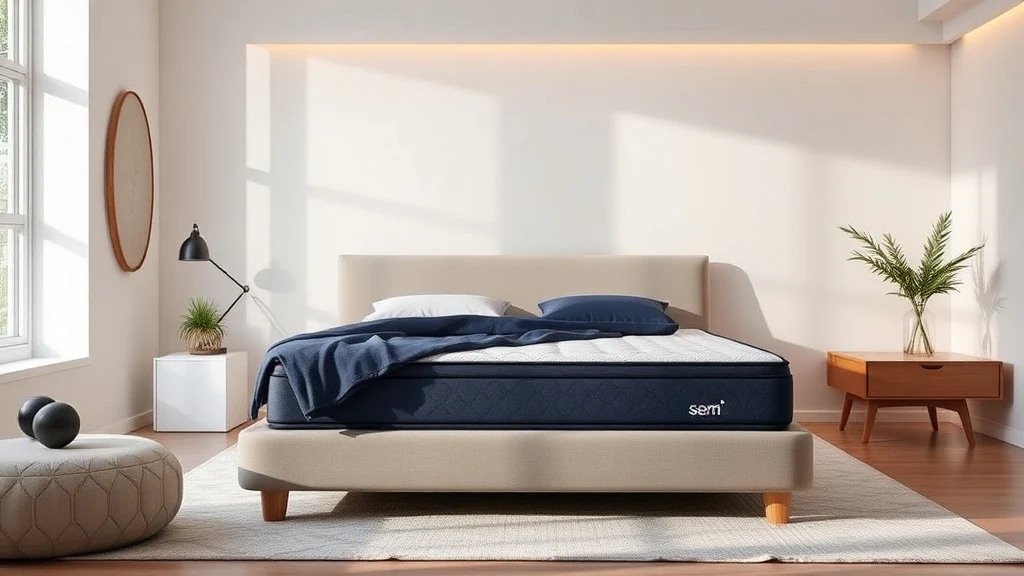
Are Budget Mattresses Good Enough for First-Time Buyers?
Yes, sometimes, and it is normal to feel the budget squeeze when you are paying rent, utilities, and buying the basics. The key is matching the mattress to how long you will use it and how sensitive you are to poor support.
A budget mattress can be “good enough” if you are in a short lease, setting up a spare room, or you need something quickly to get you through the first stage of moving out. The risk is false economy: replacing a cheap mattress in 12 to 24 months often costs more than buying one solid mid-range option once.
A simple filter: if you will sleep on it nightly for two years or more, avoid the very cheapest models and prioritise support.
When a budget mattress makes sense (and when it doesn’t)
A budget mattress can work well for:
- temporary rentals or short placements
- student housing with uncertain timelines
- guest rooms or occasional use
- lighter sleepers who do not compress foams as much
It is usually a poor fit for:
- chronic back, hip, or shoulder pain
- hot sleepers who need better breathability
- couples with different comfort needs or movement sensitivity
- higher body weight, where support cores matter more
Even on a tight budget, prioritise the support layer and a proper base. Softness on top is easy to add later, but support is harder to fix.
Smart ways to buy better on a tight move-out budget
Start by shopping based on build, not labels. Ask what is in the comfort layers and what the support core is made of, because that tells you more than a “premium” tag ever will.
Look at clearance stock for discounted, quality-assured options. It is often a more sustainable purchase too, since it reduces waste while still giving you a well-made product.
Finally, consider bundles. Buying a mattress and bed frame from the same furniture outlet can simplify delivery, avoid mismatched sizing, and reduce setup stress when you are moving.
How Do You Choose Mattresses That Balance Comfort and Price?
Choose based on your sleep profile first, then set a budget. Your sleeping position, body weight, how warm you sleep, and whether you share the bed will quickly narrow the right comfort and support level.
For most first homes, a mid-range mattress is the safest target because it tends to balance comfort, durability, and warranty support. Then, test properly in-store: spend 10 to 15 minutes in your usual sleeping positions and pay attention to pressure points and spinal alignment.
Compare specifications over brand hype, and make sure your bed frame provides the support the mattress needs to perform well.
A simple ‘value checklist’ for first apartments
Prioritise:
- a supportive core that keeps your spine aligned
- a breathable comfort layer that suits your temperature needs
- a clear warranty and a sensible exchange or trial policy
Avoid paying extra for:
- complicated layer names that do not explain materials
- add-ons you will not notice after the first week
- “ultra-plush” feels that sacrifice long-term support
Firmness guide:
- side sleepers often suit medium
- back sleepers often suit medium-firm
- stomach sleepers usually need firmer
If you are sharing, focus on motion isolation and edge support.
Why your bed frame choice affects mattress value
A poor base can cause premature sagging and may void warranty coverage if the mattress is not supported properly. Slat spacing, centre support (especially for Queen and King), and overall frame rigidity all matter.
For a first home, a basic, durable frame is often the best buy. If space is tight, consider storage-friendly bedroom pieces like dressers or cabinets to reduce clutter and improve the feel of the room. A mattress and furniture outlet can also help match a mattress and frame within the same budget and delivery plan.
What Mattress Features Should You Look for When Buying Mattresses?
Look for features that change comfort, durability, and temperature control, not marketing terms. The most useful categories are materials, the support core, comfort layers, breathability, cover quality, and edge support.
These choices matter more when you are moving into smaller rooms, dealing with hot nights, sharing the bed, or simply trying to recover well after long workdays. In-store, ask direct questions about what is inside the mattress and how it is expected to perform over time.
Support and comfort layers (what to prioritise)
Support cores:
- Pocket springs: good for support and partner motion control; a strong all-rounder
- Bonnell springs: often cheaper and bouncier, but can transfer more movement
- Foam cores: can suit lighter sleepers, but quality depends heavily on foam density
Comfort layers:
- Memory foam: great pressure relief, can run warm in some builds
- Latex: bouncier and often cooler, typically pricier
- Pillow-top: plush feel, but check durability and edge reinforcement
Durability cues include foam density (where provided), spring quality, stitching, and reinforced edges. In Australia’s climate, breathability is usually worth paying for.
Practical buying features: warranty, trial period, delivery
Check warranty length and what it covers, especially the sag depth threshold and manufacturing faults. Then review the trial or exchange policy: break-in periods, any swap fees, and hygiene requirements are common.
Delivery matters more than people expect when moving. Ask about timeframes, stair access, tight hallways, and whether removal of packaging is included. Budget for a mattress protector from day one, as it helps hygiene and can protect warranty coverage. Consider a topper only if you need a minor comfort adjustment.
How Long Should Mattresses Last Before You Replace Them?
Most mattresses last somewhere between 6 and 10 years with nightly use, but “still usable” is not the same as “still supportive”. If you are waking with aches, noticing dips, or sleeping worse than you used to, the mattress may be past its best even if it looks fine.
Clear replacement signs include visible sagging, persistent pain, noisy springs, lumps, increased allergy symptoms, or heat build-up that disrupts sleep. Spending a little more upfront often reduces how soon you need to replace it, which usually works out better value long-term.
A practical move-out plan is to buy the best support you can afford now, then upgrade later once you are settled and your budget is clearer.
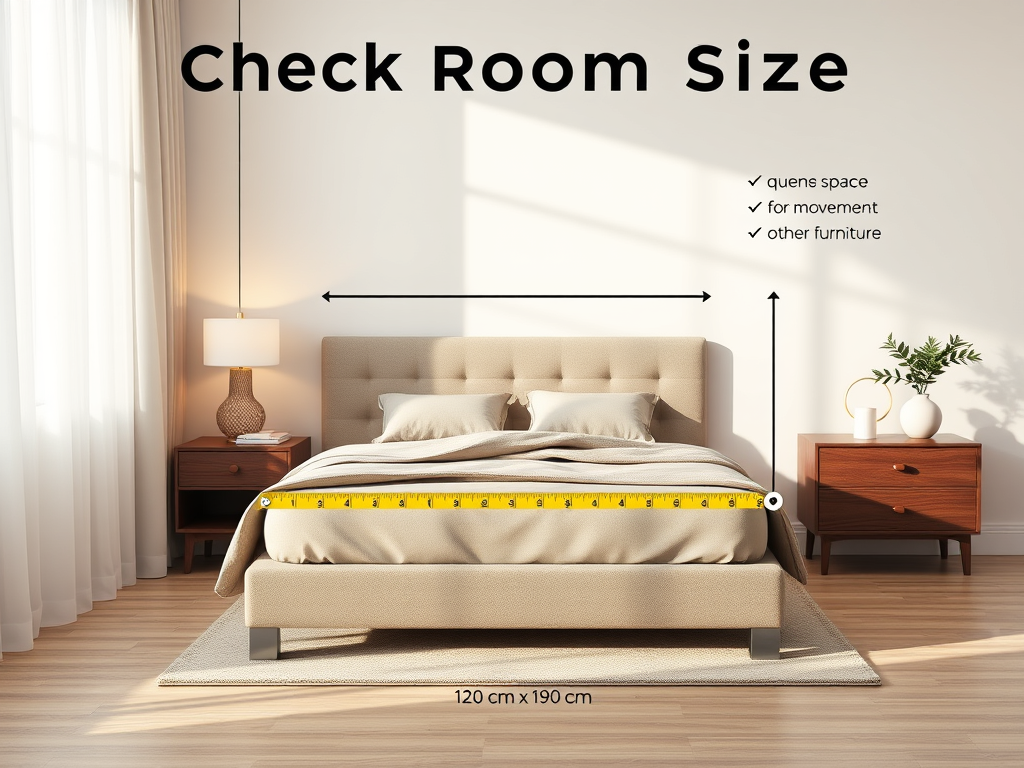
Average lifespan by mattress type (realistic expectations)
- Memory foam: lifespan varies widely; cheaper foams soften faster, especially under higher weight
- Innerspring: support can hold up, but comfort layers may compress earlier; edge support matters
- Hybrid: often a strong mid-range choice when materials are solid
- Latex: typically longer-lasting, but with a higher upfront cost
Usage changes everything too. A guest room mattress can last much longer than one used every night.
How to make a new mattress last longer in your first home
Use a protector from day one and keep it clean and dry. Make sure your bed frame supports the mattress correctly, including appropriate slat spacing and centre support for larger sizes.
Rotate the mattress if the manufacturer recommends it, and follow care guidelines on airing and cleaning. Keep the bedroom practical with storage pieces like dressers or cupboards so the space stays organised and airflow around the bed is not blocked.